Choose CAT A + CAT B if…
- You want full control over design and contractor selection
- You have 9–18 months before you need to occupy
- You are comfortable signing a 5–10 year lease
- You have capital budget and in-house project management
Guide
If you are researching an office move in London, you will keep bumping into "CAT A" and "CAT B". They sound technical because they are — but the difference is simple. One is the blank canvas the landlord hands over. The other is the finished office your team actually works in. This guide explains both, what they cost, and the third option that skips the headache entirely.
Definitions
CAT A — sometimes called the "developer finish" — is the base building installation a landlord delivers before a tenant takes space. It makes the office habitable, but not personal. Expect suspended ceilings, raised floors, basic LED lighting, fire alarms, air-conditioning, perimeter trunking, and finished toilets. It is usually a blank, neutral box.
In London lease terms, CAT A costs are normally borne by the landlord and recovered through rent. The tenant then pays for CAT B separately, often through a cash contribution or by doing the work themselves.
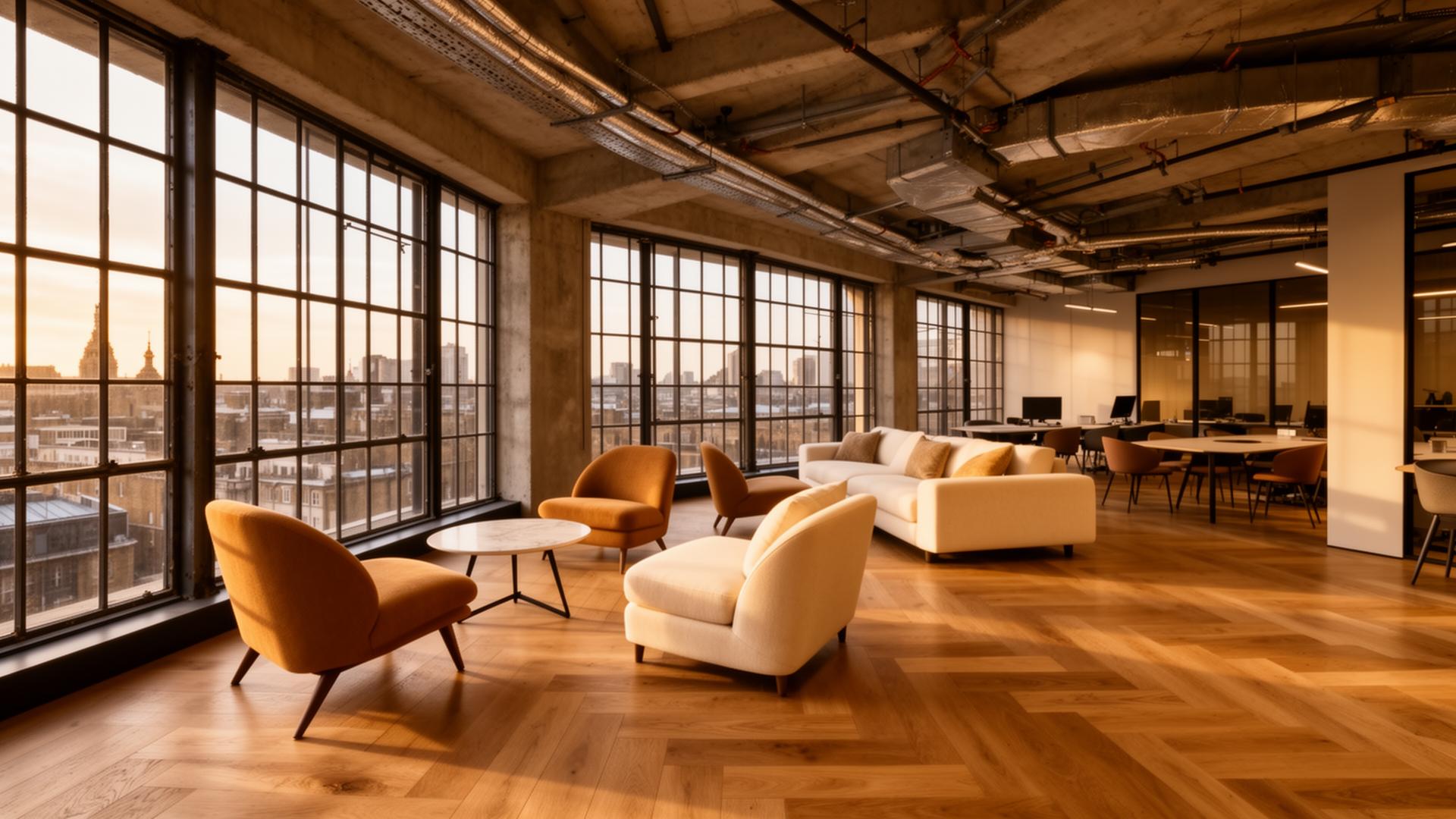
CAT B is the tenant-specific fit-out. This is where the shell becomes your office: branding, meeting rooms, phone booths, kitchens, breakout areas, furniture, AV, IT infrastructure, acoustic treatment, and the layout that matches how your team actually works.
CAT B is the expensive, time-consuming part. It involves architects, designers, contractors, programme management, snagging, and often a 6–12 month project before anyone can move in.
Comparison
| Element | CAT A (developer finish) | CAT B (tenant fit-out) |
|---|---|---|
| Ceilings | Suspended grid, basic panels | Bespoke bulkheads, acoustic ceilings, feature lighting |
| Flooring | Raised floor, unfinished or basic carpet | Carpet tiles, timber, polished concrete, zoning |
| Lighting | Basic LED panels | Layered lighting, dimming, circadian or feature pendants |
| Walls | Perimeter walls only | Partitions, glass, writable walls, branding |
| Kitchen / tea points | Not included | Full kitchens, bars, coffee stations |
| Furniture | Not included | Desks, chairs, sofas, storage, meeting tables |
| AV / IT | Basic data points | Video conferencing, Wi-Fi, networks, meeting room tech |
| Who pays | Landlord | Tenant |
| Who designs | Landlord / building control | Tenant's designer / fit-out contractor |
| Typical timeline | Already done | 3–12 months |
Costs
These figures are indicative for central London in 2026. Your actual cost depends on building condition, design ambition, and how quickly you need to move.
CAT A
£40–£80
per sq ft, typically landlord-funded
CAT B
£80–£200+
per sq ft, tenant-funded
A 5,000 sq ft CAT B project at £120/sq ft therefore costs around £600,000 before professional fees, VAT, and contingency. That is before you have paid rent during the fit-out period.
Decision
The BASE way
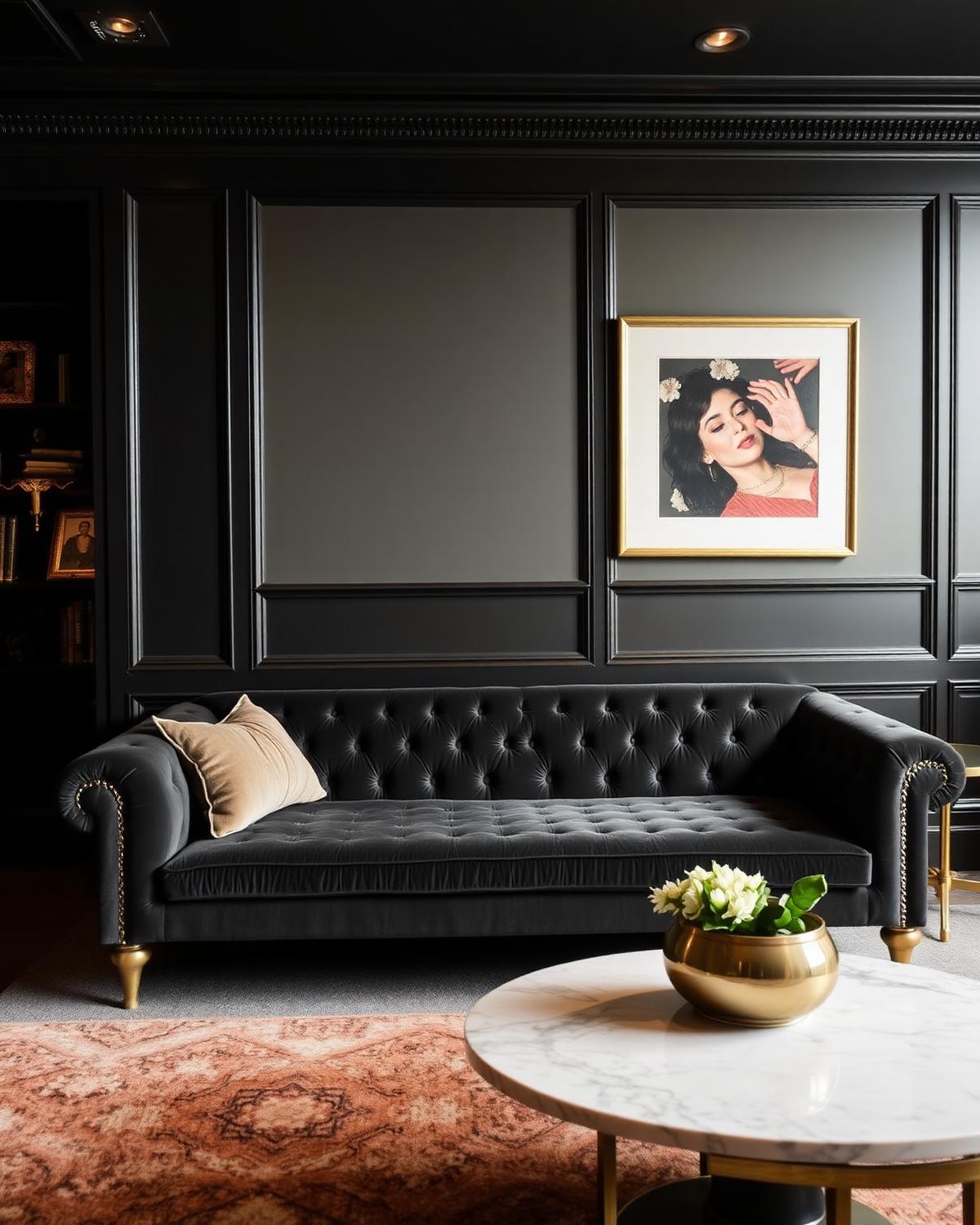
BASE sits between traditional leases and coworking. We find the building, design the space, deliver the fit-out, and run the office on a single license. You do not fund a CAT B project. You do not manage contractors. You do not chase suppliers.
01
We hunt the whole London market — on and off-market — and shortlist what fits your brief.
02
Our in-house team designs and delivers the space. No separate CAT B tender.
03
Cleaning, IT, coffee, repairs, mail, utilities — one bill, one phone number.
FAQ
Technically yes, but it would be an empty shell with no kitchen, furniture, or meeting rooms. Most teams cannot operate from a pure CAT A space without at least some CAT B work.
CAT A is usually funded by the landlord and reflected in rent. CAT B is funded by the tenant, either as a capital project or through a landlord contribution that is later amortised.
A small office can take 8–12 weeks. A large, bespoke project often takes 6–12 months from design to move-in. Programme overruns are common because of building access, landlord approvals, and contractor availability.
No. Coworking gives you desks in a shared environment. A managed office is a private, branded space designed for your team, delivered on a flexible license rather than a long lease.
Ready to move?
Tell us your headcount, budget and preferred London locations. We will shortlist managed offices that are already designed, fitted and ready to run.
Start your brief →